
When arranging vehicle transportation, one of the first decisions is whether to choose open car transport or enclosed car transport. Both options can help move a vehicle from Southaven, Mississippi, to another destination, but they offer different levels of exposure, vehicle suitability, and pricing.
Understanding these differences can help you select a service that matches your vehicle, budget, and transportation requirements.
What Is Open Car Transport?
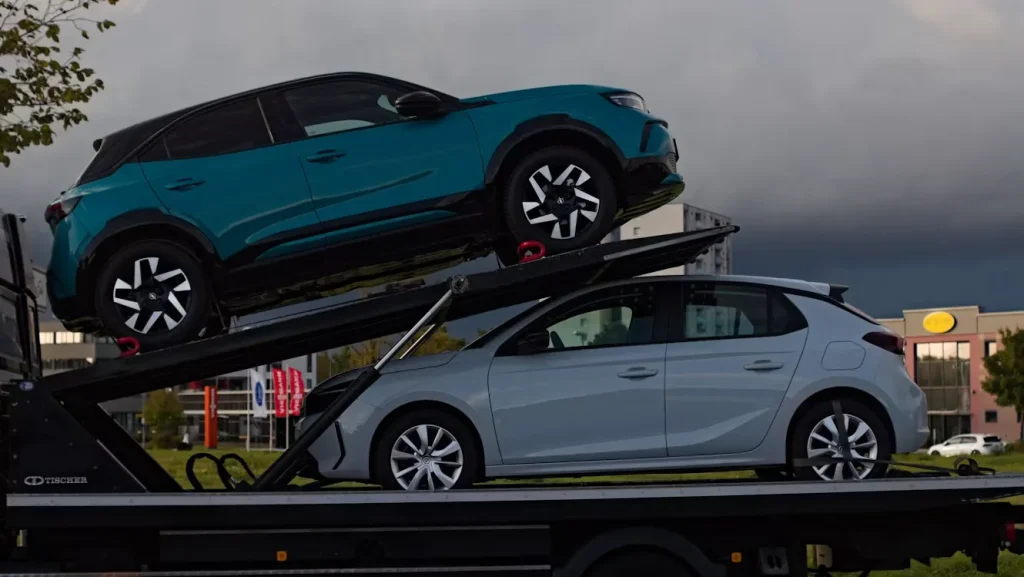
Open car transport uses an open carrier to move vehicles. These carriers are commonly seen transporting several cars on two levels of loading platforms.
Because open carriers can accommodate multiple vehicles, open transport is a widely used option for everyday cars, sedans, SUVs, and many pickup trucks.
Benefits of Open Transport
A practical option for many vehicles: Open shipping is suitable for many standard vehicles that need transportation between cities or states.
Potentially lower cost: Open transport often costs less than enclosed transport because carriers can transport multiple vehicles using a common service model. Actual prices depend on the route, vehicle dimensions, availability, season, and other factors.
Broad service availability: Open carriers are commonly used for vehicle transportation, although availability and pickup schedules vary by location.
Considerations
Vehicles on open carriers are exposed to outdoor conditions during transportation. Rain, dust, road debris, and ordinary environmental exposure are possible.
For many everyday vehicles, this exposure is an acceptable trade-off for the practical advantages of open shipping. Customers should nevertheless document their vehicle’s condition before pickup and confirm the carrier’s applicable insurance and claims procedures.
What Is Enclosed Car Transport?
Enclosed car transport moves vehicles inside a covered trailer. The enclosure helps shield vehicles from direct exposure to weather and road debris.
This option may be appropriate for classic cars, collector vehicles, luxury vehicles, specialty automobiles, or cars with finishes that owners want to protect from unnecessary exposure.
Benefits of Enclosed Transport
Additional environmental protection: A covered trailer reduces direct exposure to rain, dust, road debris, and other outdoor conditions.
Suitable for certain specialty vehicles: Owners of collectible, restored, or high-value vehicles may prefer the added protection offered by an enclosed carrier.
A specialized transportation option: Depending on the provider and route, enclosed transport may offer equipment or handling arrangements suited to particular vehicles.
Considerations
Enclosed shipping generally costs more than open transport. Enclosed carriers may also have more limited availability, so advance scheduling can be helpful.
The precise level of protection, loading method, insurance terms, and carrier availability should be confirmed before booking.
Open vs. Enclosed Transport: Main Differences
The main distinction is exposure during transit. Open transport moves vehicles on an uncovered carrier, while enclosed transport uses a covered trailer.
Open transport is often the practical choice for standard daily drivers and customers focused on transportation costs. Enclosed transport may be more suitable when limiting environmental exposure is a higher priority.
Neither option eliminates every possible transportation risk. Before making a decision, ask about carrier insurance, inspection procedures, pickup and delivery arrangements, and the process for reporting damage.
Which Option Should You Choose?
Consider these questions before booking:
- Is your vehicle a standard daily driver or a specialty automobile?
- How important is limiting direct exposure to weather and road debris?
- What is your transportation budget?
- Is an enclosed carrier available for your route and preferred dates?
- Are there special loading requirements because of the vehicle’s height, ground clearance, or condition?
For an everyday sedan traveling from Southaven to another state, open transport may be sufficient. For a restored classic car or a specialty vehicle, enclosed shipping may be worth considering.
Your vehicle’s condition and transportation requirements matter just as much as its market value.