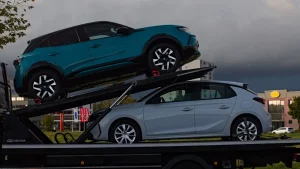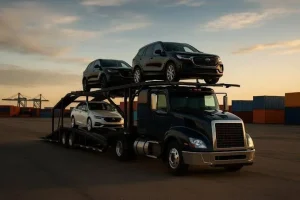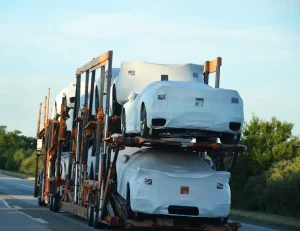

State-to-state auto transport helps customers move vehicles between Mississippi and other states without driving the entire distance themselves. Southaven Auto Transports Group offers vehicle shipping options for interstate relocations, out-of-state purchases, and other long-distance transportation needs.
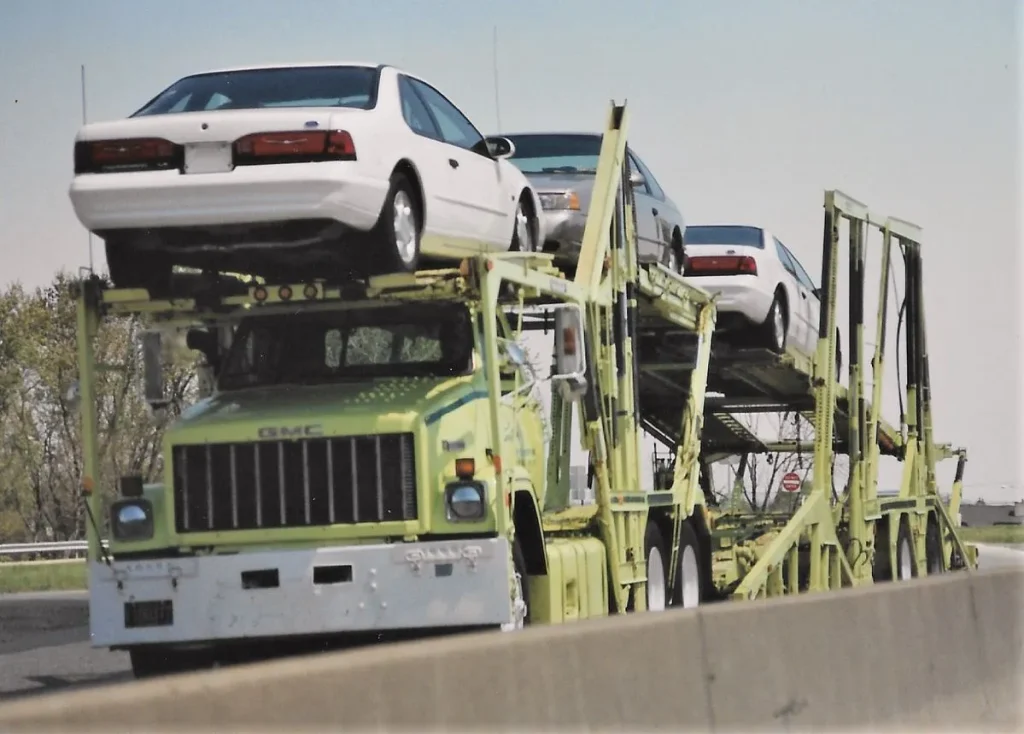
Moving a vehicle between states can involve considerable planning, particularly when you are also coordinating a household move, starting a new job, purchasing a vehicle, or arranging transportation for a family member.
State-to-state auto transport offers an alternative to driving the entire distance yourself. By arranging a vehicle shipment, you can coordinate transportation separately from your personal travel and other relocation activities.
Southaven Auto Transports Group helps customers explore interstate vehicle shipping options from Southaven, Mississippi, to other destinations, subject to route availability, vehicle requirements, carrier scheduling, and the terms agreed upon for each shipment.
State-to-state auto transport is a vehicle shipping service arranged between locations in different states. The vehicle is collected at an agreed pickup location and transported to a specified destination using an appropriate carrier.
Customers may use this service when relocating, buying or selling a vehicle across state lines, sending a car to a relative, or moving a specialty automobile.
Depending on the vehicle and shipment, transportation may be arranged using an open or enclosed carrier. Pickup and delivery may also be coordinated near the customer’s requested addresses when suitable access is available.
The transportation process, pricing, and schedule depend on the specific route and confirmed booking terms.
Driving across several states can involve fuel expenses, overnight accommodation, meals, road fees, additional mileage, and time away from other responsibilities.
Depending on your circumstances, vehicle shipping may be a convenient alternative to a long-distance drive.
Compare the total cost of driving with the quoted transportation price before deciding which approach makes the most sense for your situation.
Moving to another state often requires coordinating housing, work schedules, family needs, and personal belongings.
Arranging vehicle transportation separately can help you plan the vehicle’s journey alongside the rest of your relocation.
Confirm the estimated pickup and delivery windows before finalizing travel or moving arrangements that depend on the vehicle’s arrival.
Buying a vehicle from a distant seller can provide access to a wider selection of automobiles. However, collecting the vehicle yourself may be inconvenient if the seller is several states away.
Interstate auto transport can provide a way to arrange delivery after the purchase and transportation details have been confirmed.
Before booking, ensure the vehicle can legally and practically be released for transportation and that the pickup contact has the necessary authorization.
Open transport is frequently used for standard cars, SUVs, and many pickup trucks. It can be a practical option for customers seeking an economical way to move a vehicle between states.
Enclosed transport places the vehicle inside a covered trailer, helping reduce direct exposure to weather and road debris. It may be appropriate for classic cars, collector automobiles, and specialty vehicles.
Availability, cost, and suitability depend on the route, carrier, vehicle dimensions, and requested dates.
Interstate shipping costs are determined by several factors rather than distance alone.
The distance between pickup and delivery locations affects the resources needed for transportation. Carrier availability, route popularity, access conditions, and scheduling can also influence pricing.
Large vehicles may occupy more carrier space. Modified or oversized vehicles may require specific equipment or arrangements.
If your vehicle does not run, steer, or brake normally, disclose this before requesting a quote. Additional loading equipment or specialized arrangements may be required.
Enclosed transport typically costs more than open transport. The price also depends on the actual carrier arrangement and service requirements.
Requested dates, flexibility, weather, seasonal demand, and available carrier capacity may affect the quoted price and expected schedule.
Request a shipment-specific quote and ask which costs are included, what circumstances may affect the price, and whether any additional charges could apply.
First, provide your pickup and delivery locations, vehicle information, preferred dates, and transport preferences.
The provider reviews your requirements and explains the available options, estimated price, schedule, and applicable agreement.
After the booking is confirmed, pickup is coordinated with the relevant carrier. Before loading, the vehicle’s condition may be documented using a bill of lading or similar inspection record.
Once the vehicle arrives, inspect it and compare its condition with the original documentation. Record any concerns and follow the applicable reporting and claims procedures.
Keep your quote, shipment agreement, inspection records, and relevant communications until the transportation matter is fully resolved.
Prepare the vehicle according to the carrier’s instructions. Remove personal belongings and loose accessories, photograph the exterior, and disclose any mechanical issues or modifications.
Verify the pickup and delivery addresses and make sure the relevant contact people can be reached.
Allow flexibility in your schedule where possible. Traffic, weather, mechanical issues, route conditions, and carrier scheduling can affect pickup and delivery.
Do not assume an estimated arrival date is guaranteed unless a written agreement expressly provides that commitment.
Before booking, consider your vehicle type, destination, budget, schedule, and preferred level of environmental protection.
For a standard daily driver, open transport may be a suitable option. For a classic or specialty automobile, enclosed transport may be worth considering.
If convenient pickup and delivery locations are important, ask about door-to-door arrangements and any restrictions that could affect carrier access.
Also review the carrier’s applicable insurance information, exclusions, deductibles, and claims procedures. Do not rely solely on a general service description to determine your coverage.
Find answers to some common questions about car shipping and vehicle transportation.
The cost depends on the distance, vehicle size and condition, transport type, carrier availability, pickup and delivery locations, and preferred dates. Enclosed transport typically costs more than open transport. Contact us at (662) 445-5250 to discuss your shipment requirements.
Open car transport carries vehicles on an uncovered trailer and is commonly used for standard vehicles. Enclosed transport uses a covered trailer to help reduce direct exposure to weather and road debris. The right option depends on your vehicle, budget, and protection preferences.
Door-to-door auto transport can arrange pickup and delivery as close as reasonably possible to your requested addresses. However, carrier size, road conditions, parking restrictions, and local access may require an alternative meeting point.
Transit time depends on the route distance, carrier schedule, traffic, weather, pickup arrangements, and delivery access. Your provider can explain the estimated scheduling and transit windows for your specific shipment. Dates should be treated as estimates unless a written agreement provides otherwise.
Clean the exterior if practical, photograph the vehicle's condition, remove personal belongings and loose accessories, and follow the carrier's instructions about fuel and vehicle preparation. Disclose mechanical problems and modifications before pickup, and retain the inspection documentation.