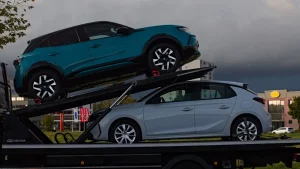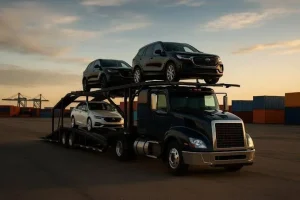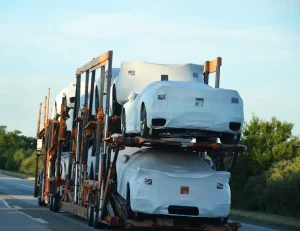

Enclosed car transport moves vehicles inside a covered trailer, helping reduce direct exposure to weather and road debris. It may be suitable for classic cars, luxury vehicles, collector automobiles, and specialty vehicles that need additional environmental protection during transportation.
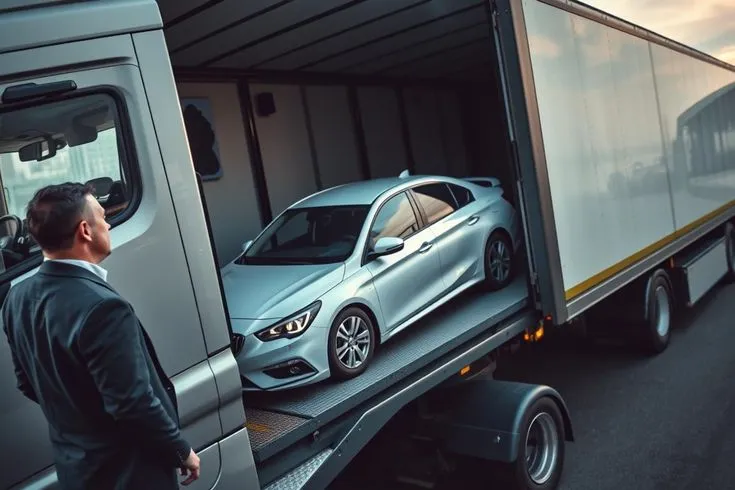
Some vehicles need more consideration than an ordinary daily driver when it is time to arrange transportation. Classic automobiles, restored cars, luxury vehicles, collector models, and specialty vehicles may benefit from a transport method that helps reduce direct exposure to outdoor conditions.
Southaven Auto Transports Group offers information about enclosed car transport options for customers arranging vehicle shipping from Southaven, Mississippi, to other destinations.
Whether you are moving a cherished classic car, relocating a specialty automobile, or arranging transportation for a vehicle you want to protect from unnecessary exposure, understanding enclosed shipping can help you decide whether it fits your needs.
Enclosed car transport is a vehicle shipping method that uses a covered trailer to move automobiles. Unlike an open carrier, an enclosed trailer surrounds the transported vehicle with a protective exterior.
This structure helps shield the vehicle from direct exposure to rain, dust, road debris, and other environmental conditions encountered during transportation.
Enclosed shipping is commonly considered for vehicles where appearance, restoration quality, collector value, or particular handling requirements make additional protection a priority.
The specific trailer configuration, loading method, and service availability depend on the carrier and route.
A covered trailer helps protect a vehicle from direct exposure to weather and road debris while it is in transit.
Although enclosed transportation does not eliminate every transportation risk, it provides a different environment from an uncovered carrier. Customers should still review the applicable insurance terms, inspection procedures, and claims process.
Classic and collector vehicles may have original paintwork, restoration finishes, rare components, or other features that owners want to preserve.
Enclosed transport may be an appropriate option when moving these vehicles to a buyer, collector, storage facility, exhibition, or new residence.
Discuss any special requirements with the transportation provider before booking, particularly if the vehicle has limited ground clearance or cannot be driven normally.
Luxury vehicles and certain specialty automobiles may benefit from reduced environmental exposure during transit.
Owners should consider the vehicle’s dimensions, wheel configuration, suspension height, modifications, and loading requirements when evaluating a transport option.
A vehicle’s market value alone does not determine which service is appropriate. Its condition, intended use, and owner’s protection preferences also matter.
For customers who are particularly concerned about direct exposure to road conditions, enclosed shipping may offer reassurance.
The best choice still depends on the actual carrier arrangement, service terms, and individual vehicle requirements. Ask specific questions about loading, securing, inspection, and coverage rather than assuming every enclosed service provides identical conditions.
Open and enclosed car transport both move vehicles between destinations, but they differ in equipment and environmental exposure.
Open transport is often selected for standard cars and customers seeking a practical shipping option. Enclosed transport provides a covered environment and may be preferable for vehicles that need additional protection from outdoor conditions.
Enclosed transport generally costs more than open shipping, and enclosed carrier availability may be more limited on certain routes.
When comparing quotes, consider what is included, whether the vehicle’s size or condition requires special handling, and what insurance and claims arrangements apply.
The process generally begins with a quote request that includes the vehicle’s make, model, year, condition, pickup address, delivery address, and preferred dates.
It is important to disclose any modifications or limitations that could affect loading. A lowered vehicle, for example, may need equipment or loading arrangements appropriate to its ground clearance.
Once the booking details are confirmed, the provider coordinates pickup and the applicable carrier arrangement.
At pickup, review the inspection documentation and take photographs of the vehicle. Confirm the keys and any agreed instructions are available.
At delivery, inspect the vehicle before completing the delivery process. If you identify a concern, record it and follow the carrier’s applicable reporting and claims procedures.
Clean the vehicle where practical and photograph its existing condition. Remove loose personal belongings and accessories unless their transportation has been expressly authorized.
Tell the provider about mechanical problems, battery issues, fluid leaks, unusual dimensions, and special loading needs. If the vehicle is inoperable, confirm that the selected service can accommodate it.
For valuable vehicles, ask for the relevant carrier insurance information and review exclusions, limits, deductibles, and claims deadlines before shipment.
Do not assume that the term “enclosed” automatically guarantees a specific insurance limit or protection against every possible type of damage.
Enclosed shipping may be appropriate for classic cars, collector vehicles, luxury automobiles, restored vehicles, and specialty models whose owners prefer reduced direct exposure to environmental conditions.
For many standard daily drivers, open transport may offer a more economical alternative.
Consider the vehicle’s value, condition, transport distance, budget, and protection requirements. Comparing the actual service terms is the best way to determine which arrangement suits your situation.
Find answers to some common questions about car shipping and vehicle transportation.
The cost depends on the distance, vehicle size and condition, transport type, carrier availability, pickup and delivery locations, and preferred dates. Enclosed transport typically costs more than open transport. Contact us at (662) 445-5250 to discuss your shipment requirements.
Open car transport carries vehicles on an uncovered trailer and is commonly used for standard vehicles. Enclosed transport uses a covered trailer to help reduce direct exposure to weather and road debris. The right option depends on your vehicle, budget, and protection preferences.
Door-to-door auto transport can arrange pickup and delivery as close as reasonably possible to your requested addresses. However, carrier size, road conditions, parking restrictions, and local access may require an alternative meeting point.
Transit time depends on the route distance, carrier schedule, traffic, weather, pickup arrangements, and delivery access. Your provider can explain the estimated scheduling and transit windows for your specific shipment. Dates should be treated as estimates unless a written agreement provides otherwise.
Clean the exterior if practical, photograph the vehicle's condition, remove personal belongings and loose accessories, and follow the carrier's instructions about fuel and vehicle preparation. Disclose mechanical problems and modifications before pickup, and retain the inspection documentation.